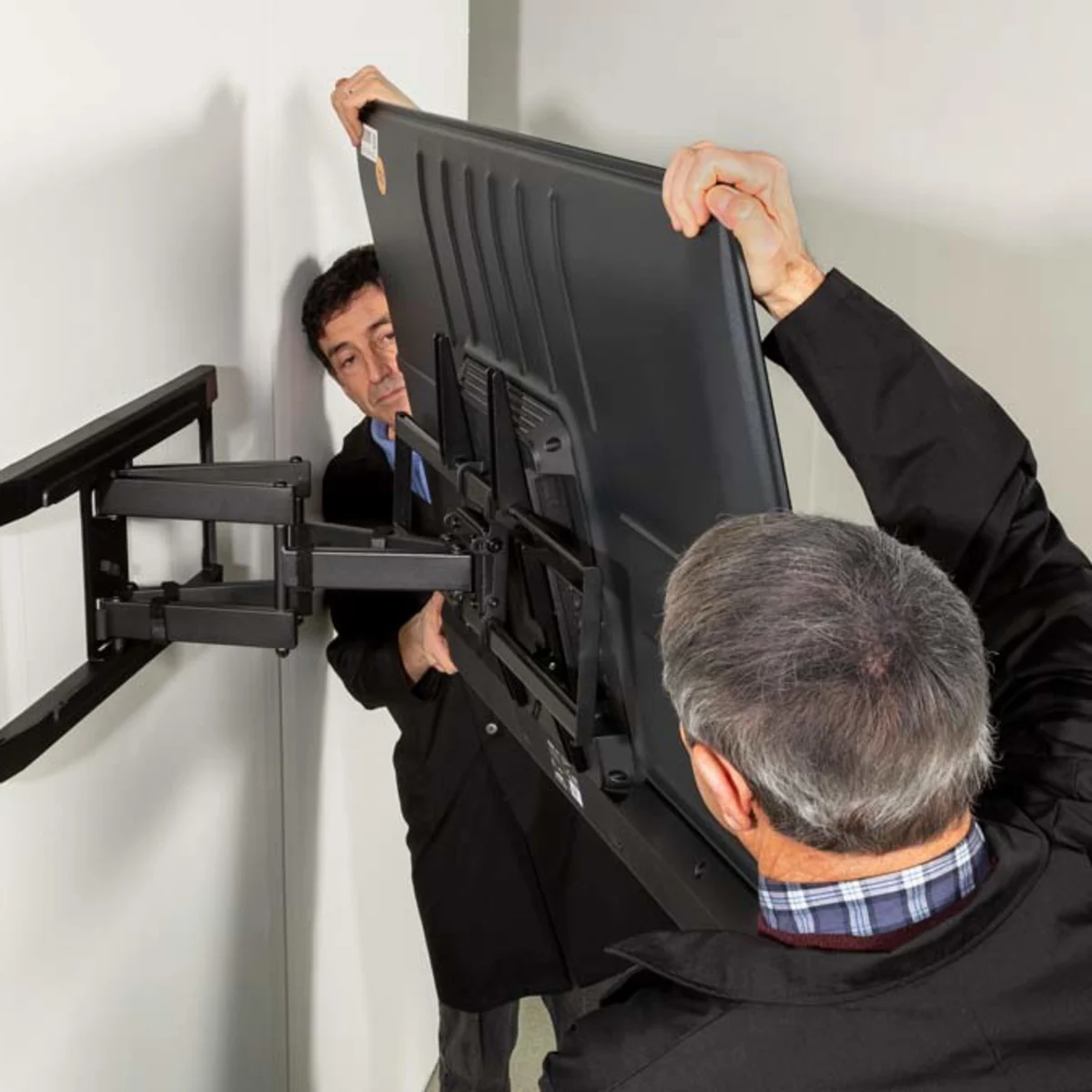
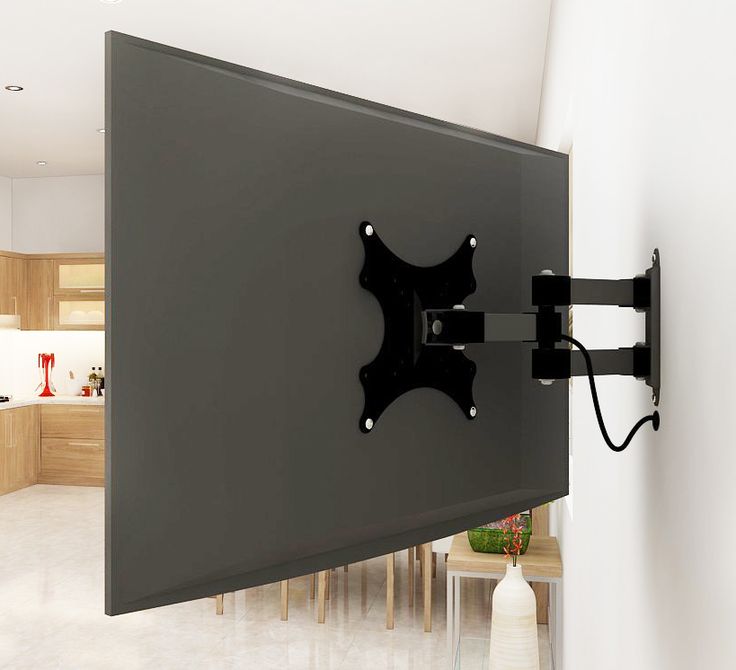
Picking the bracket
Flat, tilting, or full-motion? Match the mount to your room, your wall, and the seat you watch from.
Read the guideA free TV mounting handbook
A straight-talking walkthrough of what wall mounting a television really involves — from matching a bracket to your screen, to reading what's behind your wall, to tucking the cables away. There's no checkout and nothing to buy. Just what you need to know before the drill comes out.
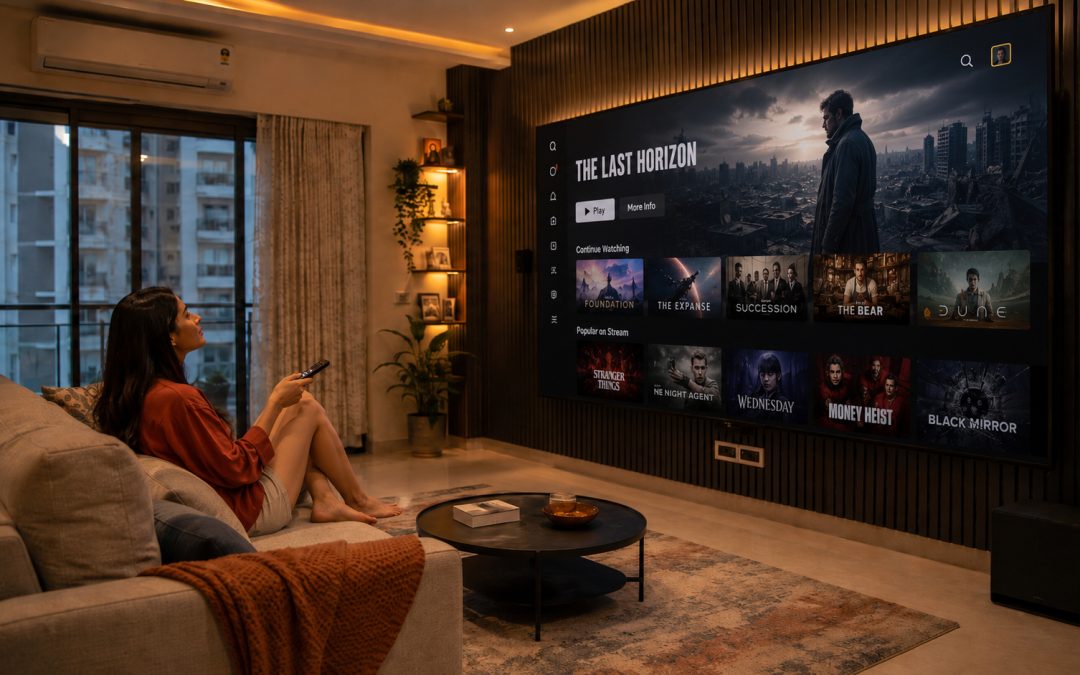
Why we made this
Search for how to mount a TV and most of what you find is really a shop. The tips quietly nudge you toward a specific bracket, a cable bundle, or a booking button — and the facts you actually came for get lost in the upsell.
This is the opposite of that. It's a quiet, neutral place to simply understand the job: what your options are, why each one matters, and where the genuine risks sit. Everything is written for a first-timer and costs nothing. If and when you decide to buy a mount or call in a fitter, that's entirely your decision — we don't sell a thing.
What a tidy job looks like
Mounted well, a television simply blends into the room. These are the kinds of results that careful preparation makes possible.
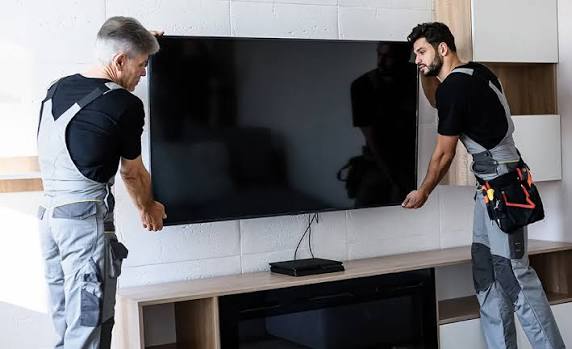
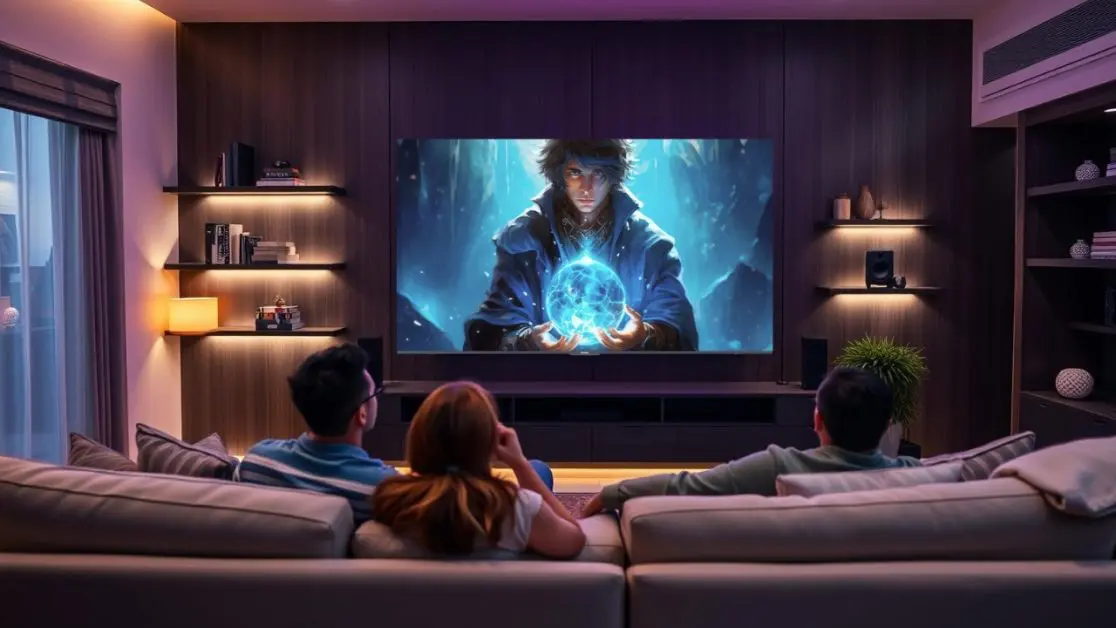
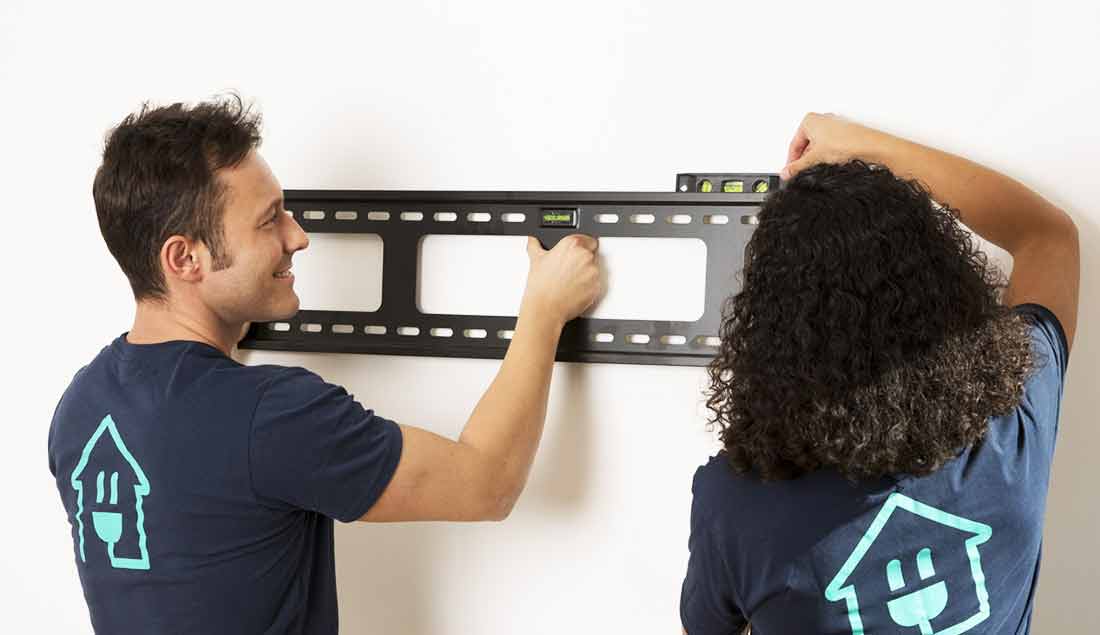
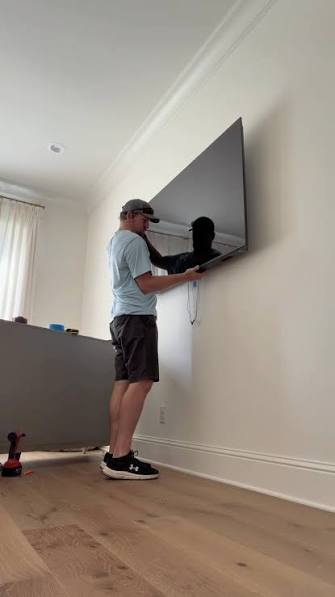
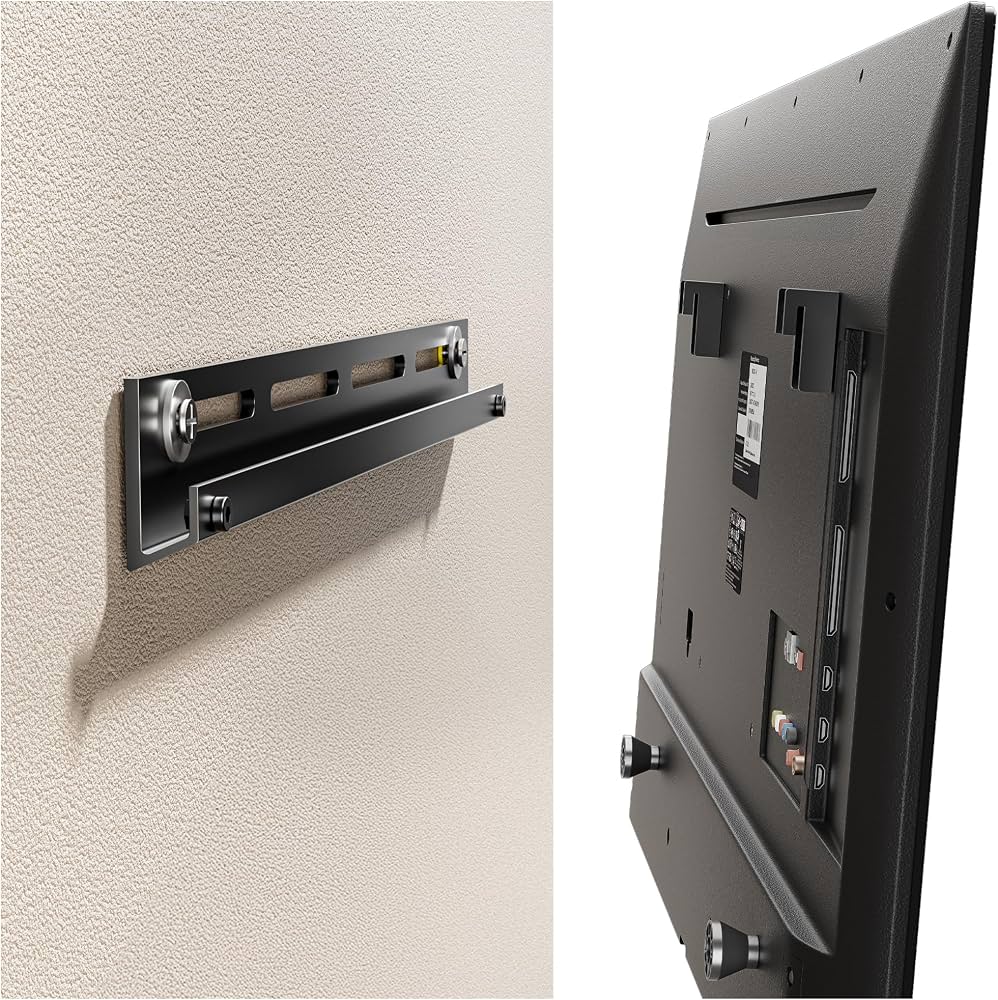
The way we approach it
The VESA pattern, the screen's weight, the height you'll watch from — the figures that decide everything come before a single hole is made.
Timber studs, masonry and plasterboard each call for their own fixings. We help you tell which is which — and choose the right one.
We'll say plainly when a job is better handed to a qualified pro. No bravado, no pressure to tackle something risky alone.
Pick a place to begin
Each one opens into the full guide, where every step is spelled out.
Flat, tilting, or full-motion? Match the mount to your room, your wall, and the seat you watch from.
Read the guideWhat sits behind the surface decides which fixings will hold. Misjudge it and the screen ends up on the floor.
Read the guide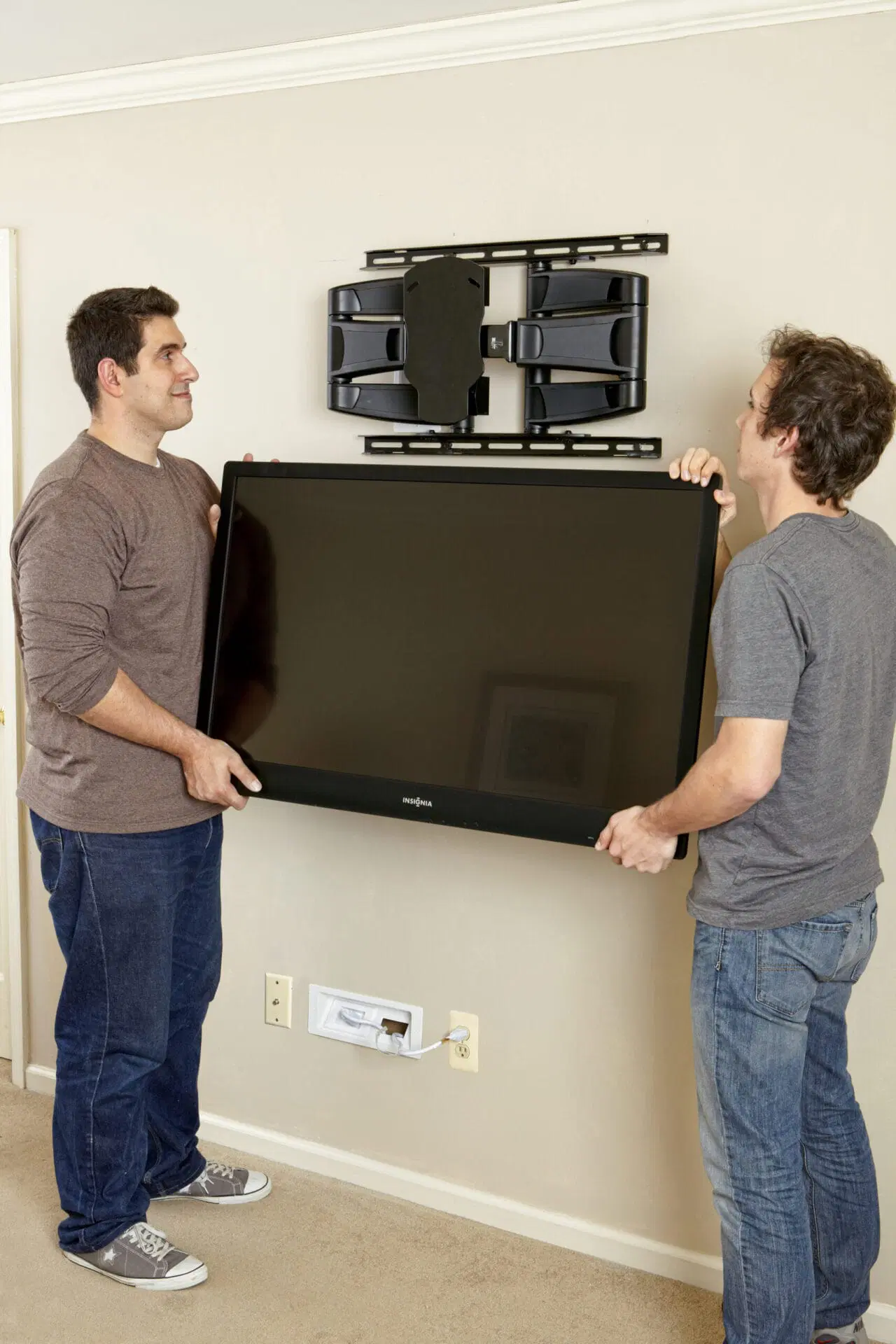
Find a height that feels natural from the sofa, then run the cables so the result looks like a pro did it.
Read the guideQuick answers
Not at all. Solid masonry and correctly located studs are reliable; bare plasterboard, decorative panelling and many hollow walls are not — least of all with a heavy screen. Our wall guide shows how to tell them apart.
Usually lower than people assume. In a living room you watch from the sofa, so aim to put the middle of the screen close to your seated eye line. The height guide walks through measuring it.
Neither. Mounting Vision is an independent, information-only site. There's no hardware for sale, no bookings, and no commission earned on anything. Our disclaimer explains how to use the guidance safely.
Go at your own pace
It's all free and written with first-timers in mind. Work through the guides, then run the safety checks before you reach for a drill.